Every group chat has one. The trip gets floated in January — a birthday, a beach house, somebody’s “we HAVE to do this before the wedding.” Seven people react with the airplane emoji. Dates get thrown around. For about a week, it feels real.
Then the calendar does its slow creep, and somewhere inside the final week, a message lands: “Guys, I’m so sorry — I don’t think I can make it.”
It’s easy to file that friend under “flaky.” But when you look at what researchers actually find, a more honest picture shows up — and it’s not really about flakiness at all. The enthusiastic yes six months out and the apologetic no six days before are two symptoms of the same thing: a plan that was cheap to agree to and expensive to keep.
Here’s what the research says is really going on.
First: it’s incredibly common, and it isn’t random
Bailing feels personal when it’s your trip. It isn’t. In a YouGov poll of 1,000 U.S. adults, more than a third of Americans said they regularly agree to plans in advance and then realize, closer to the date, that they don’t want to go — with 11% saying it happens very often (YouGov, 2022). Among people under 30 — the exact age that fuels group trips — that number jumps to 56%.
And the cancellations aren’t free. Bankrate found that roughly 59 million Americans have lost money on plans they ended up canceling (Bankrate). So this is a widespread, predictable pattern — which means you can design around it, once you know what’s driving it.
Three forces do most of the work.
1. The money they won’t say out loud
The first yes costs nothing. There’s no deposit, no flight, no date locked — just vibes and a group chat. The real number arrives later, and it’s bigger than anyone admits when the emojis are flying.
A friend-group weekend is not a cheap night out. The Knot’s 2024 data (a survey of 1,500 couples) puts a bachelorette-style weekend at an average of around $745 per person — climbing to roughly $900 if the group drives, about $1,200 once you add lodging and airfare, and close to $2,000 when everyone flies (The Knot). Zoom out to travel generally and the average U.S. domestic trip runs close to $1,984 per person, with food alone averaging $58 per day (ValuePenguin).
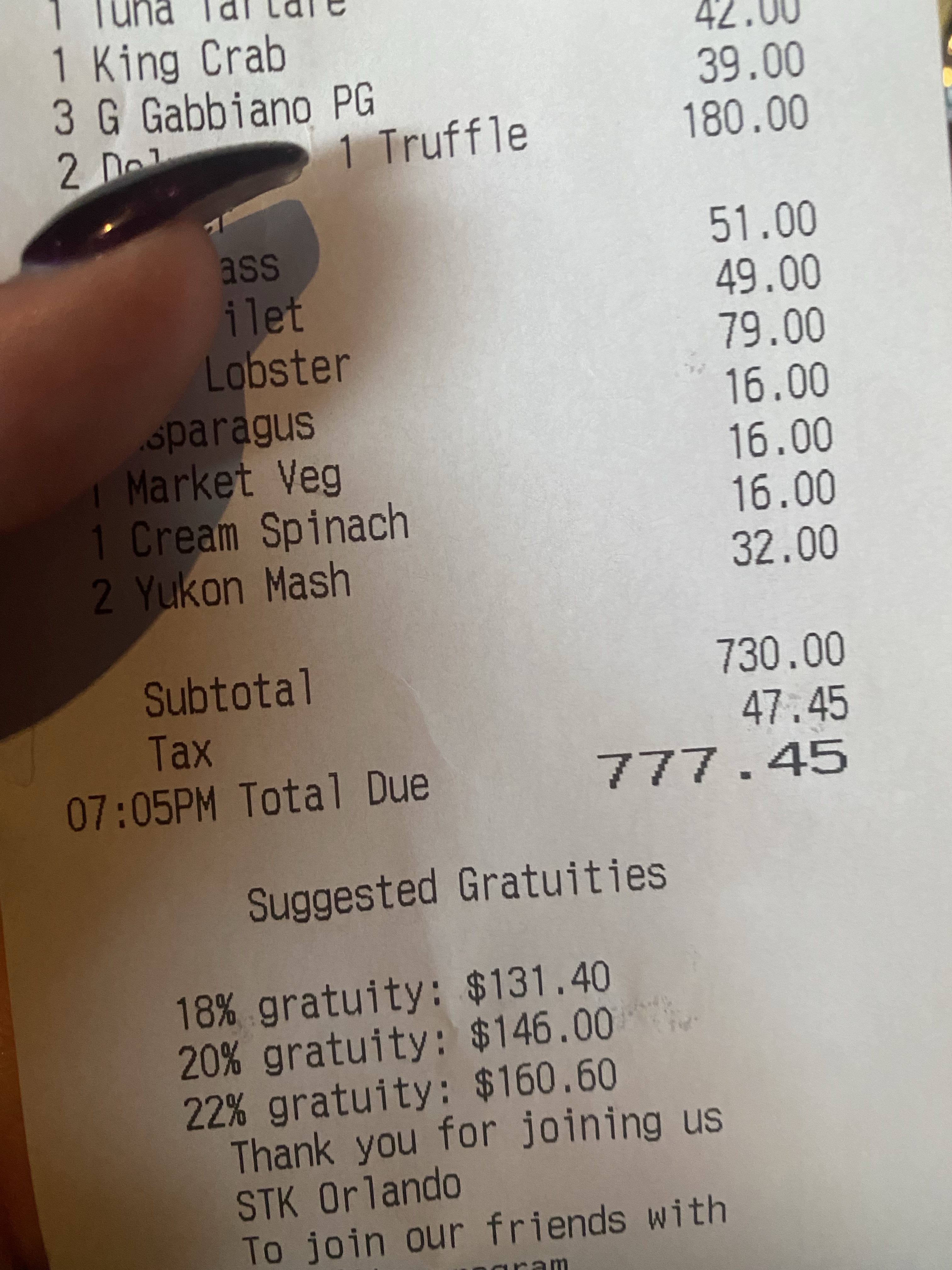
Now add the part nobody posts about: the debt and the pressure. LendingTree found that half of people who’ve been in a wedding party went into debt for it, and 56% felt pressured to spend more than they could afford — pressure that strained the friendship itself for 42% of maids of honor and 32% of bridesmaids (LendingTree). Separately, 31% of wedding guests have taken on debt just to attend (LendingTree).
Here’s the trap. “I can’t afford this” is one of the hardest sentences to say to people you love — so instead of saying it in month one, when it’s easy, people carry the yes until the money becomes real and undeniable. Then they bail. The late cancellation isn’t indifference. It’s often financial shame that never found a safe moment to speak up.
2. The “no” they were too polite to say
The second force is that saying no to an invitation feels far more dangerous than it is.
In a study published in the Journal of Personality and Social Psychology, more than three-quarters of people admitted they’d accepted an invitation they would rather have declined — and researchers found we consistently overestimate how upset the person inviting us will be if we say no (Givi & Kirk, 2023; coverage). We brace for anger and hurt feelings; the inviter, in reality, mostly shrugs.
Layer FOMO on top — the low hum that everyone else will bond without you — and a soft, non-committal yes becomes the path of least resistance. It keeps your options open and skips the awkward conversation.
The problem is timing. A polite yes in January doesn’t make the trip happen; it just moves the no to the worst possible moment — the week of, when flights are booked and the house is paid for. An honest “I’m not sure I can swing this” up front is a gift. A cheerful yes you can’t keep is a landmine with a six-month fuse.
3. The plan nobody actually owned
The third force is group dynamics, and it’s the most fixable.
When a task belongs to everyone, it belongs to no one. Psychologists call it diffusion of responsibility — people feel less personal duty to act when others are present (Darley & Latané, 1968) — and its cousin, social loafing: the larger the group, the less effort each person puts in (Latané, Williams & Harkins, 1979). A seven-person chat is a machine for both. Everyone assumes someone else is booking the house, checking the dates, chasing the money. Often, nobody is.
Then there’s the planning fallacy — our reliable habit of underestimating how much time, money, and coordination something will take (Kahneman & Tversky, 1979). Six months out, the trip is a fantasy with no friction. As the date approaches, fantasy meets logistics: PTO that won’t line up, a partner’s schedule, a number in a checking account that doesn’t match the group chat’s ambition. The gap between the imagined trip and the real one widens — and the least-committed person falls through it first.
None of this is a character flaw. It’s what unowned, under-planned group decisions do by default.
So why 6 months out, then 6 days before?
Stack the three together and the timeline explains itself:
- Month 6: Saying yes is free. No money, no dates, no owner. Politeness and FOMO make yes the easy answer (forces 2 and 3).
- The middle: Nothing gets locked. Responsibility stays diffuse; the real cost stays abstract (force 3).
- Week 1: Reality arrives all at once — the deposit, the flight, the number. The soft yes collides with money that was always going to be a problem, and the bail happens under maximum pressure (forces 1 and 2).
The cancellation looks like it happened in the last six days. It was actually baked in during the first six — the moment a big, expensive plan got a casual, non-committal yes and no one to hold it.
What actually keeps the friend from bailing
You don’t fix this with a guilt trip in the group chat..
You fix it by moving the honest conversation to the front, while it’s still cheap:
- Make the cost real on day one. A number people can see is a number people can plan around. The bail usually comes from a cost that stayed hidden until it couldn’t.
- Turn the soft yes into a real one. A little commitment early — locked dates, money into a shared trip fund — filters the maybes before anyone’s out a plane ticket.
- Give the plan an owner. One person (or one tool) holding the dates, the budget, and the count beats seven people assuming someone else has it.
- Make “I can’t” safe to say early. The research is clear: declining costs your friendships far less than you fear. A trip that leaves room for an early, honest no is a trip that actually happens.
That’s the whole idea behind WeGoing! — the group trip that finally makes it out the chat. Lock the dates, see the real cost, and let everyone commit for real up front, so the yes you get in January is one that’s still standing in June. Nobody gets put on blast, and nobody has to bail at the deadline — because the trip was built to survive the truth from the start.
The friend who bails isn’t broken. The plan was. Fix the plan, and the bail mostly disappears.
Sources
- YouGov — “Ever agree to plans and later wish you hadn’t?” (2022, n=1,000)
- Bankrate — Survey: Americans have lost money on canceled plans
- The Knot — The Average Bachelorette & Bachelor Party Cost (2024 data)
- ValuePenguin — Average Cost of a Vacation
- LendingTree — Bridal Party Survey (debt and pressure to overspend)
- LendingTree — Most Guests Feel Weddings Are Too Expensive; 31% took on debt to attend
- Givi & Kirk (2023), Journal of Personality and Social Psychology — “Saying no…” (APA) · research summary
- Diffusion of responsibility (Darley & Latané, 1968) — overview
- Social loafing (Latané, Williams & Harkins, 1979) — overview
- Planning fallacy (Kahneman & Tversky, 1979) — overview