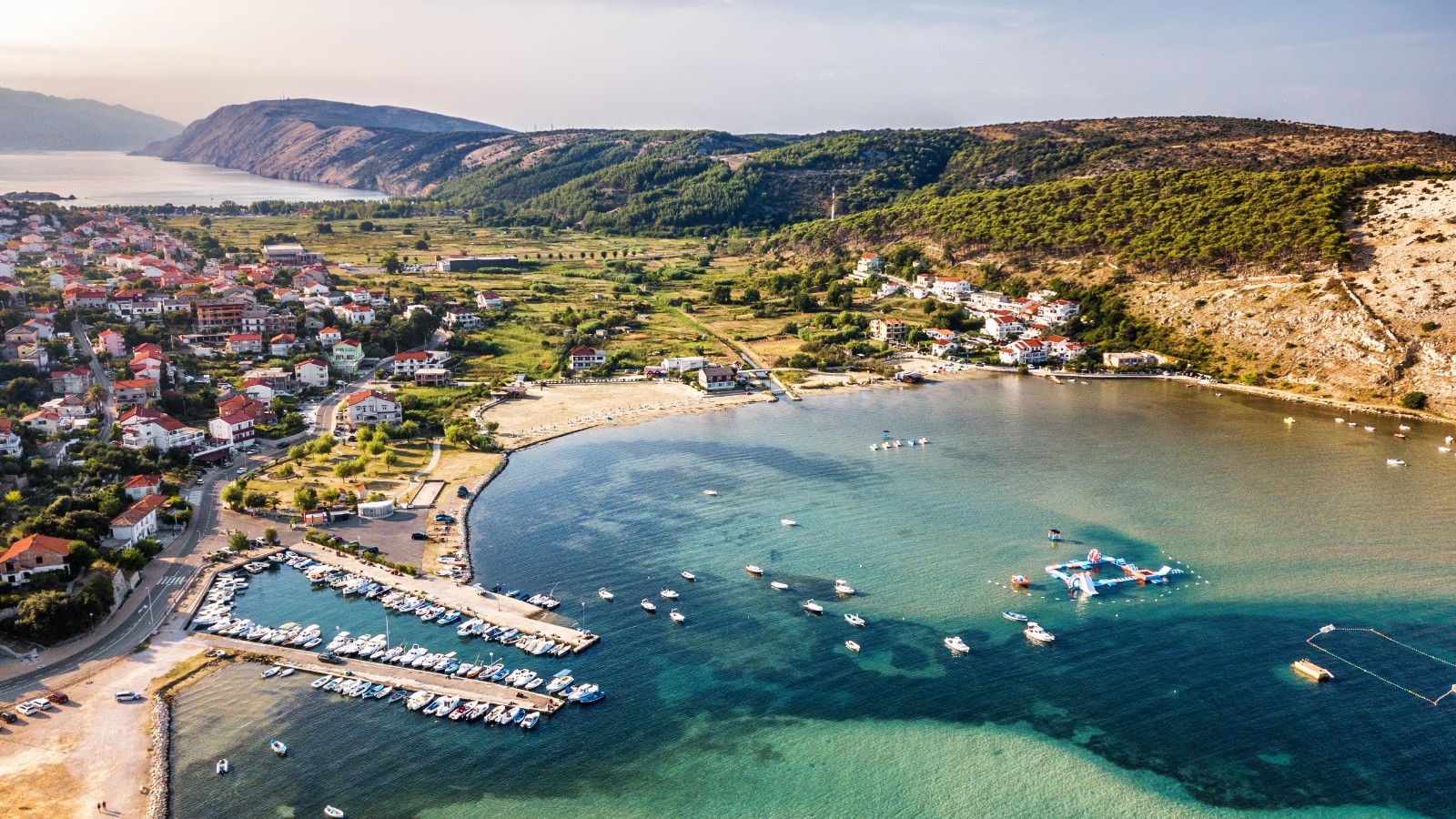
Ask anyone who's been: Croatia is the group trip everyone should take at least once. More than a thousand islands, a coast you could drive end to end in about eight hours, and a week that somehow holds cities, boat days and long lunches. The only thing between your group chat and that trip is getting the plan down early.
We are here to make sure your next girls', guys ', or family trip to Croatia not only makes it out of the chat, but ends with you all on a boat between Hvar and Vis, no one checking their phone, the water an impossible blue. That day becomes the story the whole group tells for years; the best trip of 2027, planned in the dead of winter.
If you're reading this before March 2027, and picturing a summer in Croatia, you're not early. You're right on time.
US travellers tend to book Croatia's summer four to five months out, which means the June boat day is a February decision. This is a season-by-season guide to planning a group trip to Croatia where to go, when to go, and when to actually start, written for the friend who's about to become the organiser.
Why Croatia is made for groups
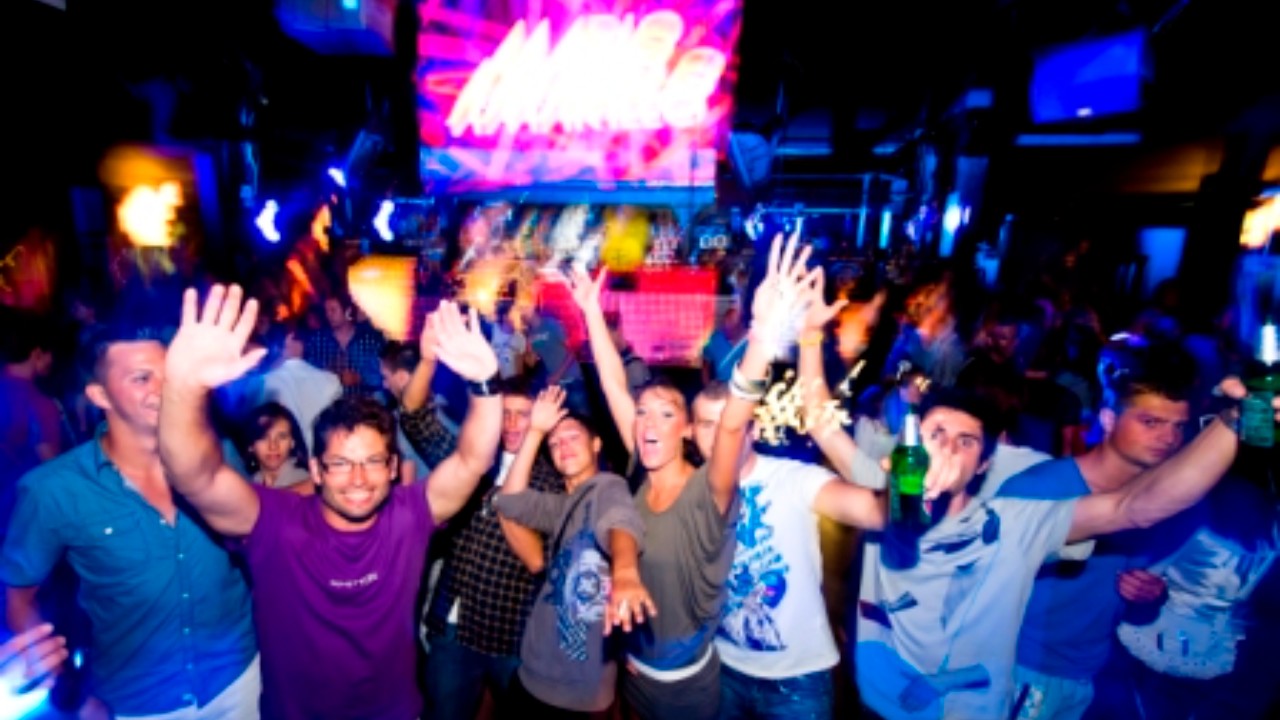 Zrće beach, Novalja. Photo: Croatian National Tourist Board / Stipe Šurać
For us, Croatia is built for the group.
More than a thousand islands sit off a coastline you could drive end to end in about eight hours, which means a week here can hold cities, islands, waterfalls and long lunches and nights out, without anyone spending the whole trip in a car. The distances are short. The payoff between them is not.
It's also a country that quietly has something for every kind of traveller in your chat, which matters when your group of six wants six different things. The Croatian National Tourist Board organises the country around ten tourist regions and openly frames trips by who you're travelling with friends, family, couples, solo; and what you're after (croatia.hr).
For a group, that's the whole point: the person who wants to swim off a boat, the one who wants Roman ruins, the one who's really here for the konoba dinners and the one who just wants to lie on a beach can all get their day without splitting up the trip.
 Oprtalj, Istria. Photo: Croatian National Tourist Board / Maja Danica Pečanić
And then there's the coast itself: Diocletian's Palace in Split still lived-in after 1,700 years, the medieval walls of Dubrovnik, pine-covered islands, national parks of falling water. Croatia doesn't need a group trip to be worth it. It's just that a place this generous is better with your people in it.
The best time to plan a Croatia group trip...and when to actually go
Croatia has four genuinely distinct seasons, and for a group the choice between them is really a choice about crowds, water temperature and price. Here's how they break down, with the part most guides skip: when to book.
Summer (June–September): peak, and for good reason. This is the Croatia everyone pictures: the warmest Adriatic, ideal swimming and sailing, islands at full tilt. It's also the most popular moment, with July and August hitting the highest prices and heat that can push toward 40°C. If your group is set on peak summer, treat it as a winter project: the popular ferry sailings, villas and charters go first, and timed tickets for Plitvice and Krka and the Dubrovnik city walls sell out in high season.Deciding in January or February is what gets you the exact week you pictured.
Shoulder season (May, early June, September, early October) the group sweet spot. This is the quiet recommendation of nearly everyone who's been. The sea is swimmable by late May and holds summer's warmth well into September, the crowds thin out, and accommodation tends to run meaningfully cheaper than peak, often on the order of 25–35% lower. For a group trying to keep costs sane and actually get a table at dinner, shoulder season is usually the answer. Book roughly four to five months ahead and you'll have the pick of it.
Autumn (October–November) : food, colour, calm. The swimming winds down and the country turns to harvest, truffles, wine and the falling-leaf spectacle at Plitvice. Ferries run less often and the islands go quiet, which suits a group leaning cultural over aquatic.
Winter (December–March): cities, markets, lowest prices. The coast slows down, and inland Croatia lights up.. Zagreb's Advent has repeatedly been named Europe's best Christmas market, Rijeka throws one of the continent's great carnivals in February, and January–February bring the lowest prices of the year, commonly 40–60% off peak. A winter city-break group trip is a genuinely different, cheaper animal.
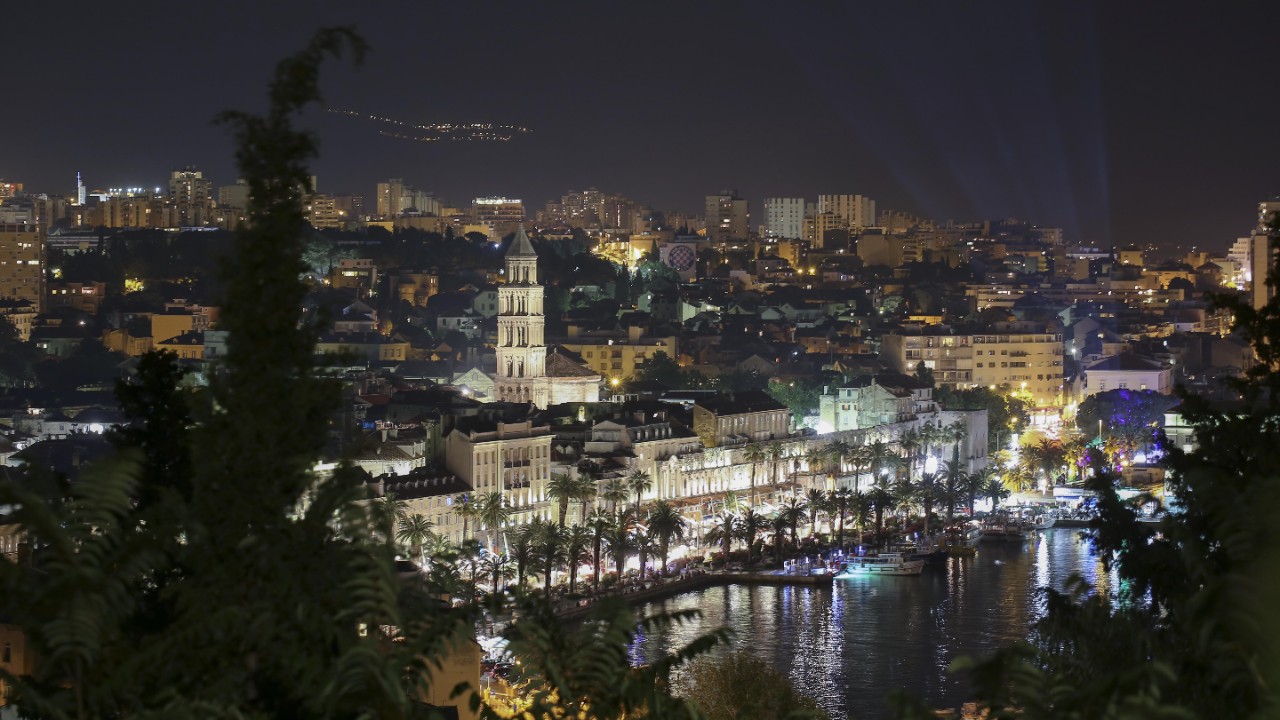 Split and the Adriatic coast. Photo: Croatian National Tourist Board / Ivo Biočina
The single most useful rule for a group: the trip you want in summer is a decision you make in winter. Flights and accommodation reward booking about four to five months ahead, and the must-do experiences, a specific charter, timed park tickets, a big table on a Friday in Hvar, want at least that. Whatever season it is as you read this, your "now" is the right time to lock the plan.
The regions and the classic routes
Croatia's ten regions can be simplified, for a group, to a handful of bases:
- Split the best launch pad for Dalmatian island hopping, with easy ferries to Brač, Hvar, Korčula and Vis, plus Trogir, Omiš and Krka nearby.
- Dubrovnik the Old Town, the city walls, the classic finish line.
- Zagreb the capital: culture, food, and that Advent market.
- Istria Rovinj, the Venetian hill towns of Motovun and Grožnjan, truffles and wine, gentler and greener.
- Plitvice & Krka the national parks, where the water does the talking.
From those, three itineraries do most of the heavy lifting for groups.
Split to Dubrovnik: the classic island-hopping route. The signature Croatian group trip runs Split → Brač → Hvar → Korčula → Dubrovnik the most popular itinerary for a reason, with the easiest ferry connections of any route. You start with Roman Split, hit Zlatni Rat on Brač, get Hvar's beaches and nightlife, slow down on Korčula, and finish on Dubrovnik's walls. Ten days is the widely cited sweet spot to combine cities, islands and a waterfall without rushing.
Istria for the reunion. Travelling multi-generationally, or with a group that wants a home base over a boat? Istria rewards it: a villa in the hills, day trips to Rovinj and the hill towns, truffle hunts and long tables, with the coast gentle and close.
The ten-day everything loop. With a bit more time, groups thread Zagreb or Plitvice into the front of a Split-to-Dubrovnik run, so the trip holds a city, a national park and the islands. Compact geography is what makes this possible, you're rarely more than a few hours from the next thing worth stopping for.
The best group activities, mapped to the occasion
Croatia's group activities sort themselves neatly by what you're celebrating.
- Island hopping by public ferry or private charter, this is the signature. Ferries make the classic route cheap and simple; a private boat for the day turns it into the day.
- Sailing the Adriatic a crewed or bareboat week is the milestone-birthday move: a floating home base that wakes up somewhere new.
- The Zlatni Rat beach day (Brač) and sea kayaking under Dubrovnik's walls the easy wins that photograph like postcards.
- Plitvice and Krka national parks book timed entry ahead in summer; both are worth a full, unhurried day
- Dubrovnik's city walls, Old Town and Game of Thrones filming locations the culture-and-fandom afternoon.
- Hvar's nightlife and Split's Diocletian's Palace the bachelorette/bachelor combination of beach days and old stone by night.
- Istrian truffle hunting and wine the reunion's slow, delicious centrepiece.
Loosely: bachelorette and bachelor weekends lean Hvar and Split; milestone 40ths lean a private island-hopping charter; multi-gen reunions lean an Istria villa and the gentle coast; and the classic friend group runs Split to Dubrovnik and never regrets it.
Planning around a festival? A few real dates worth building a trip around: Ultra Europe lands in Split in July; the Dubrovnik Summer Festival runs from July into late August across Dubrovnik Summer Festival across the city's fortresses and squares; Rijeka Carnival fills February; and Advent in Zagreb carries the winter. Popular dates like these are exactly when accommodation and ferries go early, one more reason to book while it's still cold at home.
Making it actually happen
Here's the honest part. What keeps a group trip in the group chat is almost never the destination. It's the coordination.
Someone has to front the dinner, the private charter, to the tune often of a few hundred euros for the boat for the day, more in peak season, and then quietly chase everyone to pay them back. Someone has to decide whether eight people go into one villa (which usually works out cheaper per head than that many hotel rooms, especially in shoulder season) or spread across rooms. The ferry from Split to Hvar might only run €6–€37 a person, and Split to Korčula €8.50–€30, but multiply small differences across a group and across a week and the "who owes what" math gets old fast (fares approximate; see Sources). And there's almost always one friend on a tighter budget who goes quiet rather than say so, and and quiet, in a group, reads as maybe.
This is the one place a tool earns its keep. WeGoing! exists for exactly this seam: it keeps the dates, the shared trip fund and the who's-actually-in in one place, so the person who booked the boat isn't also the group's accountant, and the friend on a budget can see what things cost before it's awkward. The trip stops depending on one heroic organiser and starts depending on the plan. (You can read the fuller Croatia breakdown on our Croatia destination guide.)
That's the whole job: get the money and the commitment sorted early, so the trip survives contact with real life, and everyone, organiser included, actually gets to be on the boat.
Start it now, while it's still a group-chat idea
Every great Croatia group trip has the same origin story: a half-serious message in a chat, months before anyone books anything. The ones that happen are simply the ones where somebody turned that message into a plan while it was still just an idea, a date, a rough route, a first yes.
So if it's winter and you're dreaming of the boat day, this is the moment that decides it. Pick a shoulder-season week, float the classic Split-to-Dubrovnik route, and get the first real commitment down. Croatia will hold up its end. It always does.
Start your Croatia trip on WeGoing! →
Group Trips that Make it Out the Chat.
Sources
- Photography: Croatian National Tourist Board. Individual photographers credited beneath each image.
- Croatian National Tourist Board, regions, seasons, and trip framing: croatia.hr
- Plitvice Lakes National Park (official): np-plitvicka-jezera.hr
- Krka National Park (official): npkrka.hr
- Ferry fare ranges (approximate), Split–Hvar and Split–Korčula: Ferryhopper; Visit Croatia ferry price guide.
- Private boat charter day / weekly ranges (approximate): Click&Boat, SamBoat, Sailing-Holidays-in-Croatia.
- Seasonal price/crowd guidance and 4–5-month lead time: compiled from CNTB seasonal framing and Croatia travel-planning research (figures marked approximate).