
We'll confess it first, so this doesn't read like a lecture: we have absolutely done the other kind of trip. The one with eleven stops in seven days. The one experienced mostly through a phone held at arm's length. The one where a place you'd dreamed about for years became a thing to complete — photographed, geotagged, crossed off, next.
You come home from those trips exhausted and weirdly empty, holding a camera roll full of proof you were somewhere and almost no memory of having been there.

There's a whole conversation happening online right now about this — that a lot of us have quietly turned travel into consumption. Destinations become items on a list. And the more efficiently you consume them, the less of any of them you actually keep. We think that's exactly right. We also think the fix isn't to travel less. It's to travel slower, and — this is the part people skip — to travel slower with other people.
The thing that actually steals your presence
Here's the plot twist most "slow travel" advice misses. On a group trip, the thing that pulls everyone out of the moment usually isn't the sightseeing. It's the coordination.
Slow traveling is the intentional approach to truly being in the world that prioritizes exploration and depth over breadth. Leaving the idea of consumption of a place (tourist traps, souvenirs, viral meals) and staying longer in fewer places to see all the things, but also experience the place: the local culture, being mindful of the environment, and also giving your group mental peace with flexible itineraries.
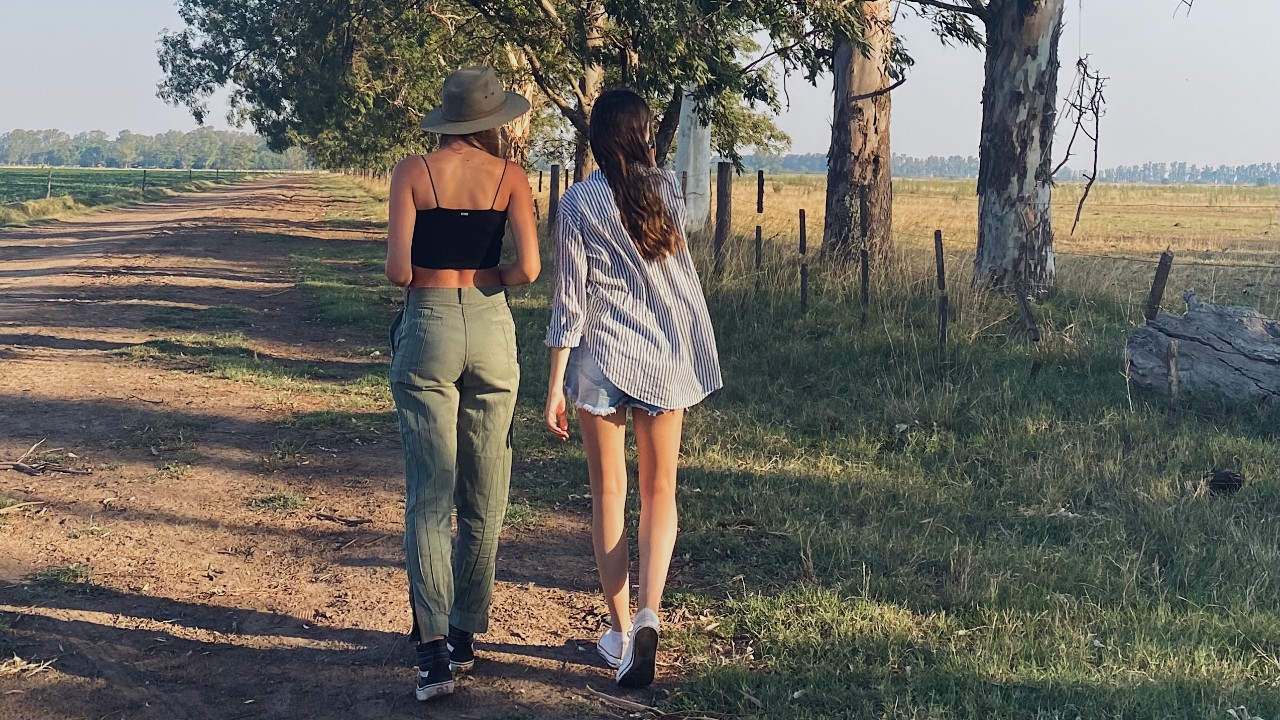
Think about the last trip where someone was clearly not fully there. Odds are it was the organizer — the friend refreshing three tabs, doing math on the group's behalf, chasing a payment, re-checking the reservation, quietly panicking about the thing at 4 o'clock. FOMO builds the over-packed itinerary. The pressure to make it all look good online tightens the screws. And the result is at least one person managing the trip instead of being on it — usually the same person every time.
You can't be present while you're holding the plan for eight people. Presence and logistics are competing for the same hands.
See how WeGoing! keeps you from being the group trip itinerary keeper: https://book.wegoingapp.com
How to be present on a group trip (an actually usable guide)
Presence isn't a personality trait. It's a set of small, slightly countercultural choices. On a group trip, they look like this:
Leave a hole in the schedule on purpose. The instinct is to fill every hour so nobody "wastes" the trip. Resist it. The Italians have a phrase for the thing you're protecting — dolce far niente, the sweetness of doing nothing — and it isn't laziness. It's the open afternoon where the actual trip sneaks in. Nearly everyone's favorite travel memory is something that wasn't on any itinerary.
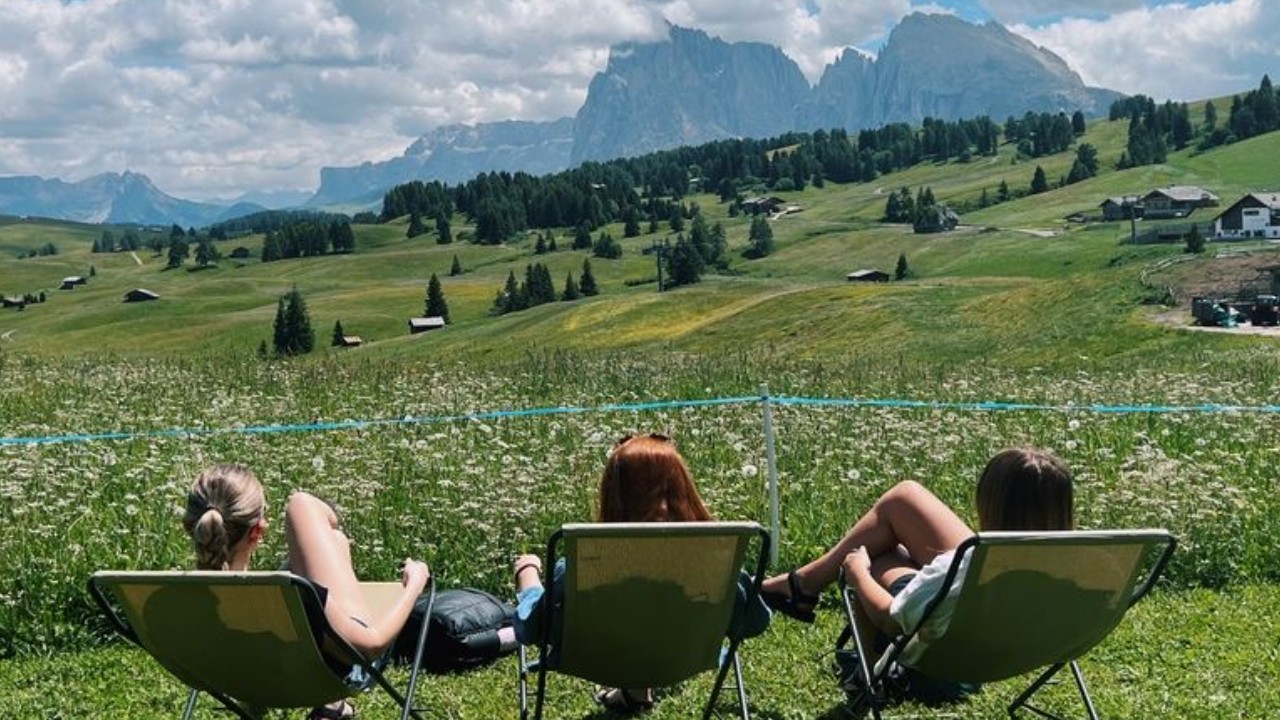
Get gloriously lost, together. Some of the best trips turn on a wrong turn — the alley that dead-ends at the perfect tiny bar, the bus you took the wrong direction that became a two-year inside joke. You cannot schedule these. You can only leave enough slack for them to find you.
Take the local's recommendation over your own research. The most alive moments usually come from going off-script — the spot a stranger insisted on, the thing that was nowhere on your list. Being willing to abandon the plan for a better one is basically the whole skill.
Have the long, aimless dinner. The meal that runs three hours because no one's rushing to the next attraction is not a delay in the trip. It is the trip. That's where the conversations happen, the ones you'll still be quoting at each other a decade later.
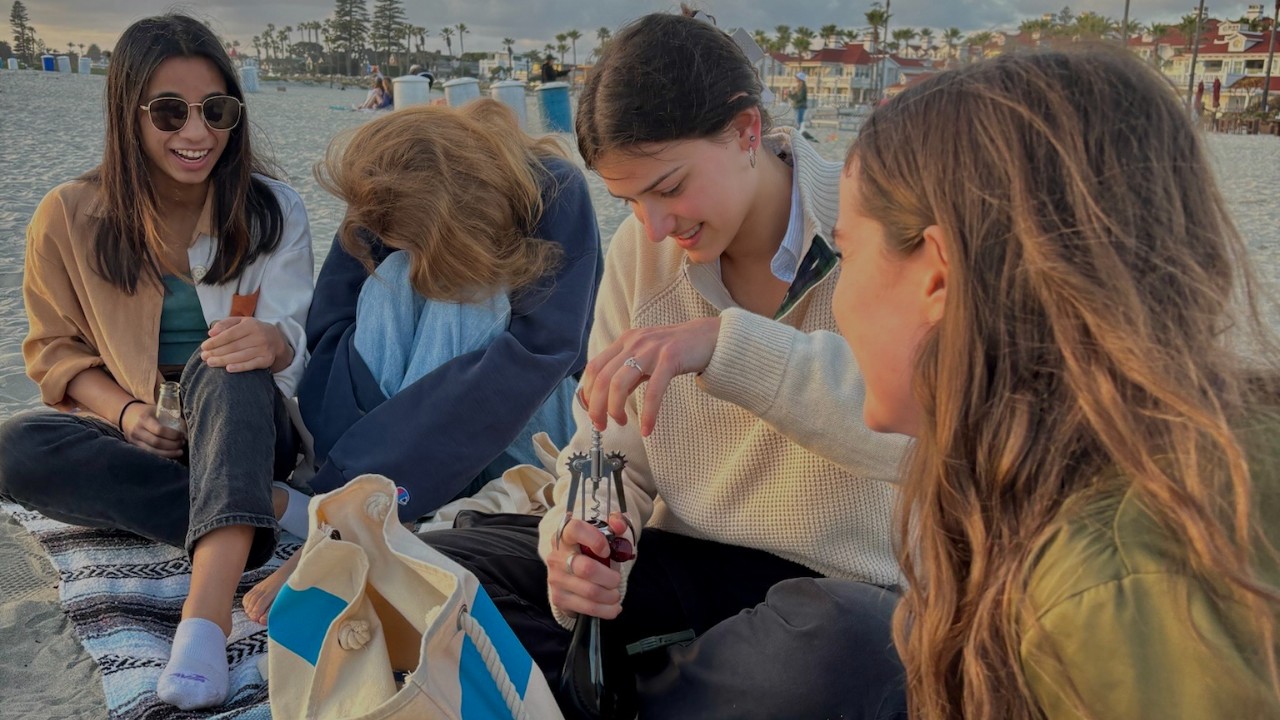
Put the phone down — and let a moment go undocumented. Not because a photo is a crime; it isn't. But because a trip lived entirely for the highlight reel is a trip you experienced on behalf of people who weren't there. The goal of travel was never to see a place. It was to let a place change you — and a place can only get in if you actually stop and let it.
None of that requires a monastery or a digital detox retreat. It just requires that nobody in your group is stuck being air-traffic control.
See how your group can get all their information without texting anyone: https://book.wegoingapp.com
Which is where an app, awkwardly, comes in
Yes, we hear it: an app telling you to look up and be present is a little like a casino handing out pamphlets on moderation. So let's be honest about the role a tool should actually play.
A good travel app earns its keep before and around the trip, so it can disappear during it. It does the genuinely annoying parts — pinning the dates, holding the money, keeping the plan in one place — up front, so that no single friend has to carry all of it in their head while everyone else relaxes. Then, once you've landed, the best thing it can do is go quiet.
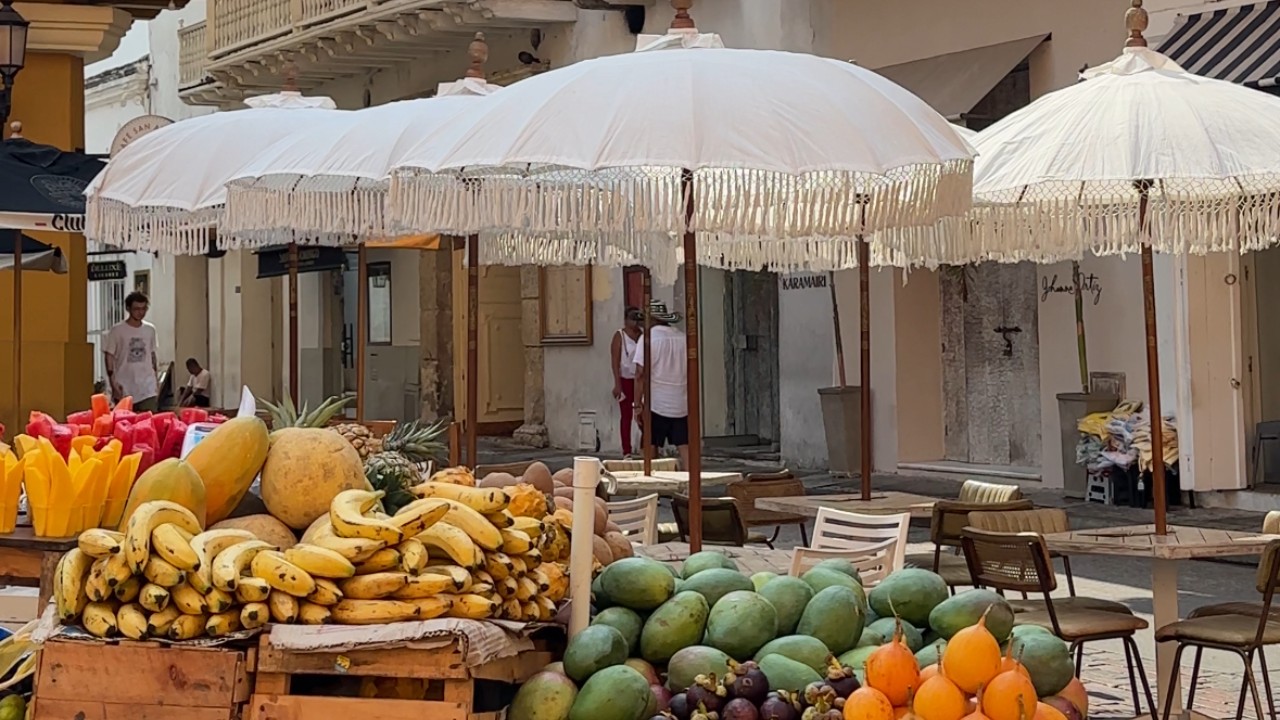
That's the standard we hold ourselves to. No FOMO nudges telling you the ten things you're "missing." No streaks or checklists turning your vacation into a game to grind. No pings buzzing through the long dinner. When we talk about the app creating connectivity, we don't mean connecting you to a feed — we mean quietly connecting the logistics so it can actually connect you to each other. The best tool makes itself unnecessary the moment you're where you were trying to go.
The world already knows how to do this
We're not inventing anything here. Slow travel has roots in Italy's Slow Food movement, born in the 1980s as a small rebellion against fast everything, and much of the world never stopped organizing life around the unhurried, table-for-twelve, nobody's-checking-the-time kind of togetherness. The research quietly agrees, too: study after study finds that shared experiences build more connection and more lasting happiness than acquiring more stuff — or, we'd add, than acquiring more sights (Scientific American).
Solo travel can teach you plenty of this — going alone is a real and wonderful way to be present, and we'd never tell you otherwise. But there's a specific magic to being changed by a place at the same time as the people you love, and then getting to say "remember that?" for the rest of your lives. That only works if everyone, organizer included, is actually there.
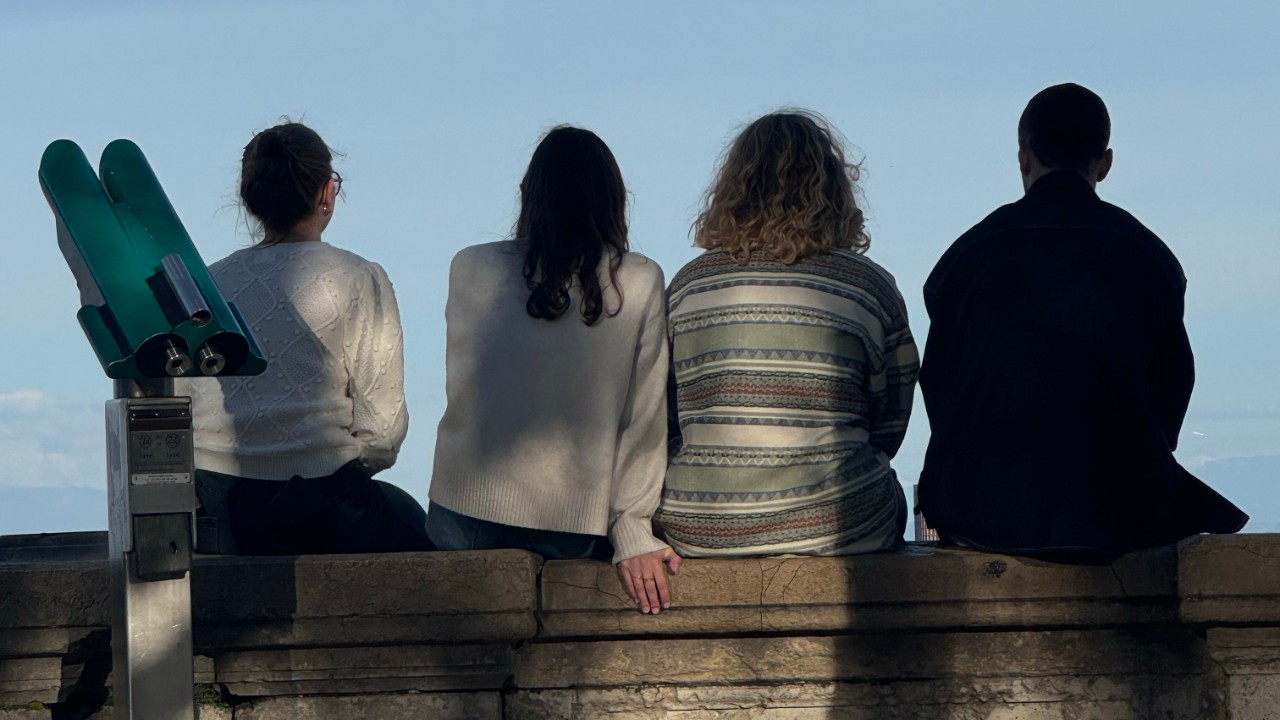
So, one small assignment
Plan one slower trip this year. Fewer stops. A day with nothing on it. Dinner with no reservation after it. Go with your people, and — this is the only rule — make sure the person who plans it gets to be on it too.
You'll come home with fewer photos and a lot more of the thing photos were always a stand-in for. That's the trade. We think it's the best one in travel.
The sweetness of doing nothing, it turns out, is best split among friends; and WeGoing! helps to get that Slow Trip out of the Group Chat https://book.wegoingapp.com